


Moving is one of the most logistically demanding things you'll do and without a solid plan, it's easy for things to fall through the cracks. Whether you're relocating across town or across the country, this checklist covers everything you need to do before, during, and after your move to keep things on track.
8 Weeks Before Moving Day
The earlier you start, the less stressful moving day will be. Eight weeks out is the ideal time to get the big decisions locked in.
Book your moving company. Reputable movers fill up fast, especially during peak season (May through September). If you're moving in or around Metro Vancouver, Smoother Movers has been helping Canadian families relocate for over 40 years get a free estimate online before spots are gone.
Decide what's coming and what isn't. Walk through every room and make honest decisions. Items you haven't used in two or more years are candidates to sell, donate, or discard. A smaller load means lower moving costs and a cleaner start in your new home.
Start collecting packing supplies. Boxes, tape, bubble wrap, and markers. If you'd rather skip the hardware store run, ask your movers about packing supply options some companies sell or rent them directly.
Research storage if needed. If there's a gap between your move-out and move-in dates, or if you're downsizing temporarily, look into secure storage solutions early. Climate-controlled units book up quickly in high-demand seasons.
6 Weeks Before Moving Day
With your mover booked and your decluttering started, the next priority is paperwork and logistics.
Notify your employer and update your address with Canada Post, Service Canada, the CRA, your bank, insurance providers, and any subscriptions. Canada Post's mail forwarding service is a good safety net while updates trickle through.
Transfer or cancel local services. Utilities, internet, cable, gym memberships, and any other location-tied services need to be cancelled or transferred. Build a list as you think of them it's easy to forget a gym membership until you're billed three months later.
Get your documents in order. Gather birth certificates, passports, medical records, school records, and financial documents. Keep these in a dedicated folder that travels with you personally not in the moving truck.
Check with your new building or strata. Many buildings in BC have specific rules around elevator booking, move-in hours, and parking for moving trucks. If you're moving into a condo or apartment, check with building management at least a month out. For tips specific to this region, the local moving guide for North Vancouver covers what to expect.
4 Weeks Before Moving Day
Now it's time to start the physical work.
Start packing non-essentials. Books, seasonal clothing, décor, and anything else you won't need in the next month can be boxed now. Label every box with its contents and destination room this saves enormous time on the other end.
Handle specialty items early. If you have a piano, antiques, oversized artwork, or other fragile valuables, these need extra planning. Piano moving in particular requires specialized equipment and experience not every mover can do it safely.
Photograph electronics and furniture setups. Before you disassemble anything, take photos of how it's connected or arranged. This saves guesswork when you're setting up in your new place.
Book a parking spot for the moving truck. If you're in a city neighbourhood, you may need a temporary no-parking permit from your municipality. Do this well in advance processing times vary.
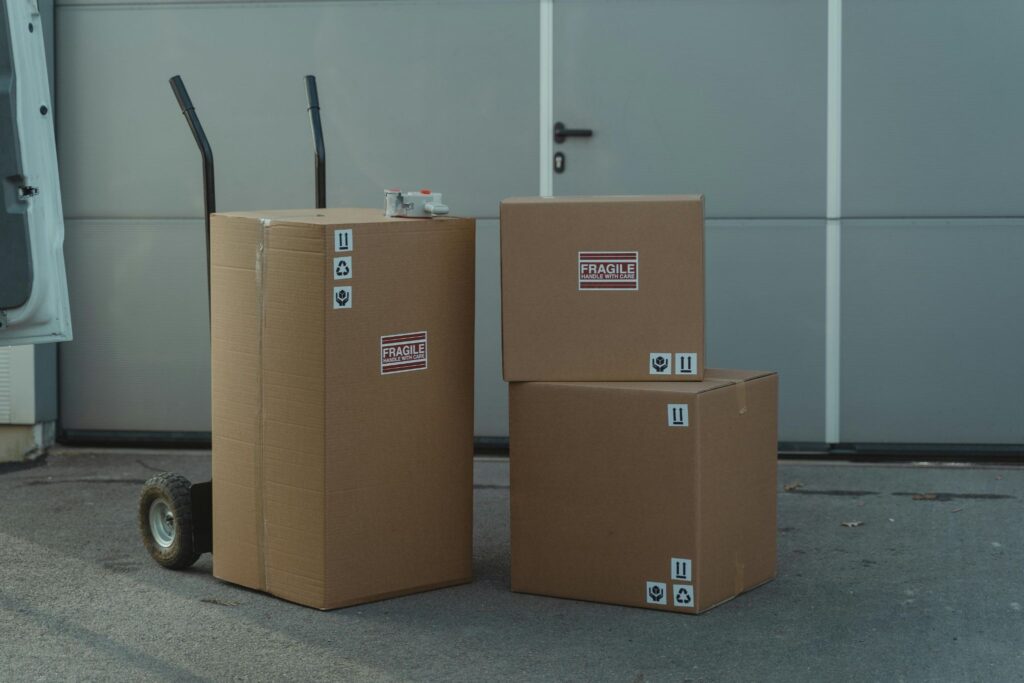
2 Weeks Before Moving Day
The home stretch. At this point, your to-do list should be shrinking.
Confirm all bookings. Call your moving company to reconfirm the date, time, and address. Also confirm elevator bookings, storage unit access, and any service cancellations.
Pack a "first night" box. Include everything you'll need for the first 24 hours in your new home: phone chargers, toiletries, a change of clothes, medications, coffee, snacks, and basic kitchen items. Mark this box clearly and load it last so it comes off the truck first.
Arrange childcare and pet care for moving day. Moving day with kids or pets underfoot is harder for everyone. If you can, arrange for them to be elsewhere for the day.
Check the weather forecast. BC weather is unpredictable. Rain, snow, and wet floors in elevators or trucks can damage furniture, mattresses, and floors. If wet weather is expected, talk to your movers about protective measures. This guide on how weather affects your move is worth a read before moving day.
Moving Day
You've prepared now execute.
Be available and accessible. Stay reachable by phone throughout the day. Your movers may need access decisions, parking guidance, or approval on specific items.
Do a final walkthrough before the truck leaves. Check every room, closet, shelf, and outdoor area. Check the attic, basement, and garage. Open every cabinet. Once the truck is gone, anything left behind is your problem.
Know what movers won't take. Hazardous materials, certain plants, open food containers, and some chemicals are typically off-limits. Review the full list in this article on what movers can and cannot move so there are no surprises on the day.
Inspect deliveries before signing off. At your new home, check items for damage before the movers leave. Note any issues on the paperwork and photograph anything that concerns you.
After the Move
Moving day is done, but the checklist isn't.
Update your driver's licence and vehicle registration. In BC, you have 90 days to update your address with ICBC after moving. Don't leave this until the last minute.
Register children at their new school. Contact the school district early some areas have waitlists or catchment rules that require documentation.
Test everything in your new home. Run all taps, test the heating and cooling, check smoke and CO detectors, and locate the electrical panel and main water shutoff. Know where things are before you actually need them.
Meet your neighbours. This sounds old-fashioned, but it's practical. Neighbours are your first line of information about everything from local parking rules to tradespeople they trust.
Unpack strategically. Bedroom first, then kitchen. Living areas can wait. Getting a good sleep and being able to cook makes the rest of the unpacking feel manageable rather than overwhelming.
Checklist Summary
8 weeks out: Book movers, declutter, source packing supplies, research storage. 6 weeks out: Update addresses, cancel/transfer services, organize documents, check building rules. 4 weeks out: Pack non-essentials, arrange specialty item moving, photograph setups, book parking. 2 weeks out: Confirm all bookings, pack first-night box, arrange childcare/pets, check weather. Moving day: Stay accessible, do a final walkthrough, inspect deliveries. After the move: Update ID and registration, enrol kids in school, test the new home, unpack strategically.

FAQs: About Moving in Canada
How far in advance should I book a moving company?
For a summer move (May–September), book at least 6–8 weeks ahead. For off-season moves, 3–4 weeks is usually sufficient, though booking early always gives you more flexibility.
What’s the cheapest time of year to move?
Fall and winter (October through March) are typically less expensive due to lower demand. Mid-month and mid-week moves are also generally cheaper than weekends and month-end dates.
Do I need moving insurance?
Most professional movers carry basic liability coverage, but it may not cover the full replacement value of your belongings. Check your home insurance policy some extend to cover moves and ask your mover about optional cargo coverage for added protection.
What items can’t I put on the moving truck?
Hazardous materials like paint, propane, and certain cleaners are typically prohibited. Perishable food, some houseplants, and valuables like cash or jewellery should also travel with you personally. See the full breakdown in what movers can and cannot move.
How do I move a piano safely?
Pianos require specialized equipment and at least two experienced movers. Attempting a DIY piano move risks serious damage to the instrument and injury. Always use a mover who specialises in piano moving rather than a general-purpose crew.
Ready to Move? Let Smoother Movers Handle the Heavy Lifting
A good checklist gets you organized a great moving company gets you there without the stress. Smoother Movers has been relocating families and businesses across Metro Vancouver and the Lower Mainland for over 40 years, with services covering residential moves, long-distance relocations, senior moves, office moves, and everything in between.
Get a free, no-obligation estimate today or contact us to speak with the team directly about your upcoming move.