

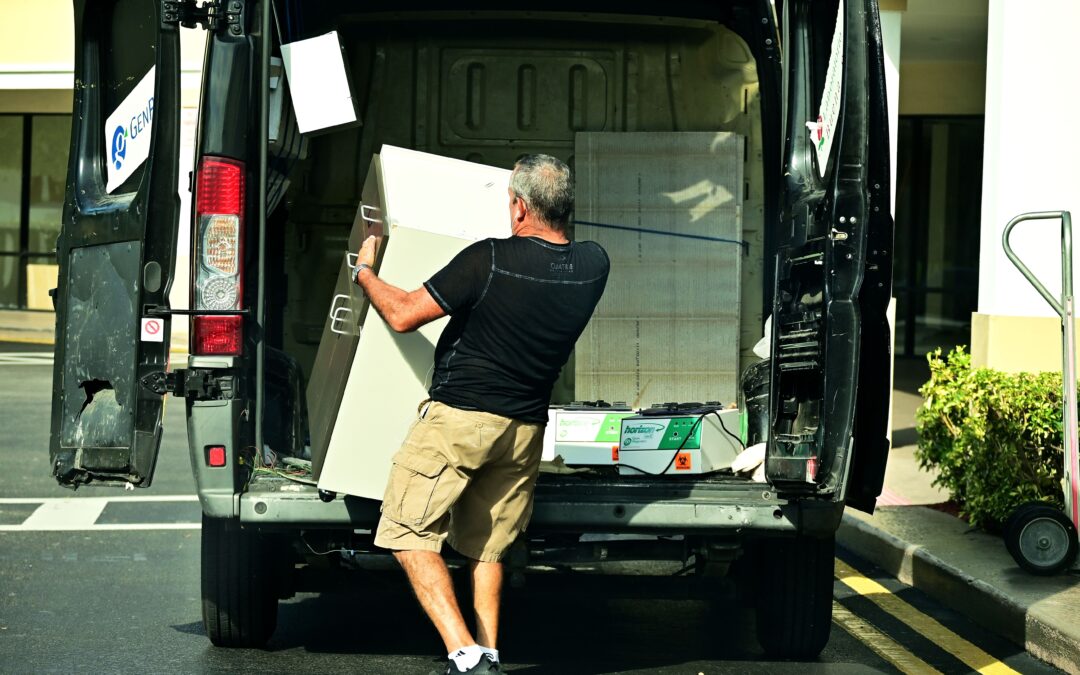
The refrigerator is the single most punishing appliance to move. It weighs anywhere from 250 to 400 pounds, it's awkward to grip, and it has a compressor that can be permanently damaged if handled incorrectly. It also has to travel through tight doorways, down stairs, and across floors you'd very much like to keep scratch-free.
Done right, moving a fridge is a two-person job with the right equipment and a clear plan. Done wrong, it becomes an expensive mistake. A broken compressor, gouged hardwood, or a back injury that sidelines you for weeks are all very real outcomes when the job is rushed or under-equipped.
This guide covers everything you need to know: the prep work, the proper technique, the equipment, and when it genuinely makes sense to leave this one to the professional movers.
Why Fridges Are Different From Every Other Appliance
Most appliances are heavy but forgiving. A washing machine is a box of steel. A dryer is even simpler. A refrigerator, however, is a precision appliance with a sealed cooling system that includes a compressor, condenser coils, and refrigerant lines. That system is sensitive to how the fridge is oriented and handled during a move.
The biggest risk is laying the fridge on its side or back. When you do this, compressor oil can migrate into the refrigerant lines. If you then plug the fridge in before that oil drains back, you risk burning out the compressor. A compressor replacement often costs more than the fridge itself.
This one fact shapes everything about how a fridge should be moved.
Step 1: Prepare the Fridge (48 Hours Before Moving Day)
Preparation starts two days before the move, not the morning of.
Empty It Completely
Remove all food, condiments, drawers, and shelving. Shelves can shift and shatter during transport. Pack removable glass shelves separately by wrapping them in moving blankets or bubble wrap, and carry them flat.
Donate or eat perishables in the days leading up to your move. A full fridge is heavier and messier if anything tips or leaks in transit.
Defrost the Freezer
This is non-negotiable. A freezer compartment full of ice will melt during the move and leak water across the truck and your floors. To defrost properly, unplug the fridge 24 to 48 hours before the move, place towels around the base to catch meltwater, and leave the freezer door open to speed up the process.
Once defrosted, wipe the interior completely dry, including the walls, coils, and drain at the back bottom of the freezer.
Clean and Deodorize
Moving a fridge that hasn't been cleaned in a while locks in odours once it's sealed up and transported. Wipe down all interior surfaces with a baking soda solution or white vinegar and leave it smelling neutral before you tape the doors shut.
Secure the Doors
Tape both doors shut with painter's tape or moving straps. This prevents them from swinging open unexpectedly during the move, which is a hazard for everyone involved. Avoid using duct tape directly on finished surfaces since it leaves residue and can pull away the exterior finish.
Remove the Water Line (If Applicable)
If your fridge has a water or ice dispenser, disconnect the water line before moving day. Shut off the water supply valve behind the fridge, disconnect the line, and let any remaining water drain into a towel. Leaving it connected is one of the most common and messiest moving mistakes people make.

Step 2: Gather the Right Equipment
Moving a fridge with just your hands and a willing friend is possible. Moving one with the right equipment is much safer and significantly faster.
What You'll Need
An appliance dolly is the most important piece of equipment. A standard box dolly won't cut it. An appliance dolly has a longer frame, greater weight capacity, and a built-in strap that secures the fridge to the dolly. Rent one from a hardware store if your mover doesn't provide it.
Moving straps (shoulder dolly straps) are useful for navigating stairs, where a dolly can't help much.
Moving blankets protect the fridge exterior from dings and scratches to both the appliance and your walls.
Floor protection is often overlooked. Lay down Masonite boards, cardboard, or rubber floor runners along the path from the kitchen to the front door. Fridge feet and dolly wheels are hard on hardwood and tile.
Work gloves protect your hands from sharp refrigerator edges and improve your grip throughout the move.
If you're working with a full-service moving company, they'll bring all of this with them. If you're doing a DIY move and renting a truck, factor equipment rental into your plan and budget.
Step 3: Measure Everything Before You Move Anything
The most common mid-move disaster is getting a fridge stuck in a doorway or hallway. Before you move a single inch, take measurements of the fridge dimensions (height, width, and depth including handles), every doorway and hallway on the route, the stairwell width if applicable, and the elevator interior if you're moving in or out of a condo.
Fridges are typically 28 to 36 inches wide. Many older Canadian homes and apartments have doorways as narrow as 30 to 32 inches. If the math is close, you can remove the fridge doors since most modern models allow this with just a few screws. Remove the handles too if needed and keep all hardware in a labelled bag taped to the fridge.
Step 4: Move the Fridge the Right Way
With prep done, equipment in hand, and measurements confirmed, here's how to actually move it.
Tilt, Don't Lift
Position the appliance dolly beside the fridge. Tilt the fridge slightly toward one person while the other slides the dolly underneath. Secure the strap around the middle of the fridge before moving anywhere.
Keep It Upright at All Times
The fridge stays upright throughout the move. Moving it tilted more than 45 degrees risks the compressor oil issue described above. If you absolutely must tilt it slightly to get through a door, keep the tilt as minimal as possible and for as short a time as possible, then get it vertical again immediately.
Move Slowly on Stairs
If there are stairs involved, two people become essential and three is better. One person guides the dolly while the other stabilizes the top of the fridge. Go one step at a time and never rush.
Loading the Truck
Load the fridge last so it can be unloaded first at the destination. Position it upright against the cab wall of the truck and strap it to the truck tie-down points so it cannot shift during transport.
Step 5: At the New Home, Don't Rush to Plug It In
After transport, a fridge needs time to settle before being plugged in. If the fridge was kept upright throughout the entire move, you can plug it in after one to two hours of settling time. If it was tilted at any point, wait at least four hours. If it was on its side for any extended period, wait up to 24 hours.
This waiting time allows compressor oil to drain back where it belongs. Skipping this step is how compressors burn out.
Once plugged in, don't load it with food right away. Give it two to three hours to reach proper temperature before restocking.
When to Just Hire the Pros
Moving a fridge yourself is possible, but it's genuinely not worth attempting without the right equipment, a second person, and a clear path. If any of the following apply to your situation, skip the DIY approach and get a moving quote from a professional.
Consider hiring movers if you're moving out of or into a building with stairs and no elevator, if your fridge is a large French door or side-by-side model over 300 pounds, if the doorways or hallways in your new home are tight, if you have flooring you can't afford to damage, or if you don't have access to an appliance dolly.
Professional movers handle fridges constantly. They have the equipment, the technique, and the moving insurance to cover damage if something goes wrong. The cost of hiring help is almost always lower than the cost of replacing a compressor or refinishing a hardwood floor.
Frequently Asked Questions
Can one person move a fridge?
It's technically possible with an appliance dolly on a flat surface, but it's strongly inadvisable. Fridges are too heavy and awkward to control safely alone, especially near stairs, tight corners, or doorstep thresholds. Always have at least one other person.
How long should a fridge sit after moving before plugging it in?
If kept upright the entire time, one to two hours is generally sufficient. If tilted at any point, wait a minimum of four hours. If it was on its side for an extended period, wait up to 24 hours before plugging it in.
Do movers move fridges with food in them?
No reputable mover will transport a fridge with food inside. Beyond the weight and spill risk, food in transit is not covered under moving insurance. Empty and defrost before moving day.
Will my homeowner's insurance cover a fridge damaged during a move?
Home insurance typically does not cover transit damage. You'll need either the moving company's full value protection or a third-party moving insurance policy. Review your coverage before moving day.
Can I move a fridge in a regular pickup truck?
Yes, but it must remain upright, not laid flat in the truck bed. Secure it against the cab and strap it tightly. If the fridge is too tall to stand upright in a pickup (and most are), a cargo van or moving truck is the better choice.
Move the Heavy Stuff Without the Headache
Fridges, washing machines, pianos, and heavy furniture are exactly where professional movers earn their keep. The equipment, the technique, and the insurance coverage all add up to a faster, safer move with far less risk to your appliances, your floors, and your body.
At Movers.ca, we connect Canadians with experienced, vetted local and long-distance movers who handle heavy appliances as a matter of routine, not a special challenge.
Get your free moving quote today
Let the professionals do the heavy lifting, literally.