


Weather is one of the most underestimated factors when planning a move. While many people focus on packing, logistics, and timing, weather conditions can significantly impact how smoothly your moving day goes.
Rain, heat, snow, wind, and even humidity can affect everything from how safely items are transported to how comfortable and efficient the moving process feels. Without proper preparation, unexpected weather can lead to delays, damage, and added stress.
At Smoother Movers, we help customers prepare for all types of conditions so their move stays on track regardless of the forecast. Understanding how weather affects your move and planning ahead can make a major difference in protecting your belongings and ensuring a smoother experience.
How Weather Impacts the Moving Process
Weather affects multiple stages of a move, from packing and loading to transportation and unloading. Even mild conditions can create challenges if they are not anticipated.
Rain can make surfaces slippery, increasing the risk of accidents and making it harder to move large furniture safely. Snow and ice can slow down loading times and create hazards around entryways and walkways. Heat can cause fatigue, while humidity can affect sensitive items like wood furniture or electronics.
Understanding the moving day process helps you see where weather plays a role and why preparation is so important at every stage.

Moving in Rain: Protecting Your Belongings
Rain is one of the most common weather challenges during a move. Water exposure can damage furniture, boxes, and fragile items if they are not properly protected.
To prepare for a rainy move:
- Use waterproof coverings for furniture
- Wrap items in plastic or protective materials
- Keep towels or mats near entrances to reduce slipping
- Ensure boxes are sealed properly
Professional movers are equipped with protective materials to handle these conditions, but preparing ahead of time ensures everything stays dry and safe.
For extra protection, many homeowners choose professional packing services to ensure items are wrapped securely against moisture.
Moving in Hot Weather: Staying Safe and Efficient
High temperatures can make moving physically demanding and increase the risk of exhaustion or dehydration.
During hot weather moves, it is important to:
- Stay hydrated throughout the day
- Schedule moves earlier in the morning if possible
- Take breaks when needed
- Keep sensitive items out of direct sunlight
Heat can also affect certain items such as electronics, candles, or anything that can melt or warp under high temperatures.
Planning ahead and pacing the move properly helps maintain efficiency without compromising safety.
Moving in Cold, Snow, or Ice
Winter moves present a different set of challenges. Snow, ice, and freezing temperatures can slow down the process and create hazardous conditions.
Preparing for winter conditions includes:
- Clearing walkways and driveways before movers arrive
- Using salt or sand to reduce slipping
- Protecting floors from snow and moisture
- Allowing extra time for the move
Cold weather can also affect certain materials, making them more fragile or harder to handle.
Working with experienced movers ensures these risks are managed properly and that items are transported safely even in difficult conditions.
Wind and Its Impact on Moving
Strong winds can make it difficult to handle large or lightweight items such as mattresses, boxes, and furniture.
Wind can also affect the loading process by making it harder to control items when carrying them outside or into the truck.
To prepare for windy conditions:
- Secure loose items before moving
- Keep doors and pathways controlled
- Use proper lifting techniques
Movers are trained to adjust their approach based on weather conditions, but awareness and preparation help minimize disruptions.
How Weather Affects Packing and Materials
Weather conditions can influence how items should be packed before the move.
Humidity can damage paper-based items, electronics, and wooden furniture if they are not properly protected. Cold temperatures can make certain materials brittle, while heat can soften adhesives and weaken packaging.
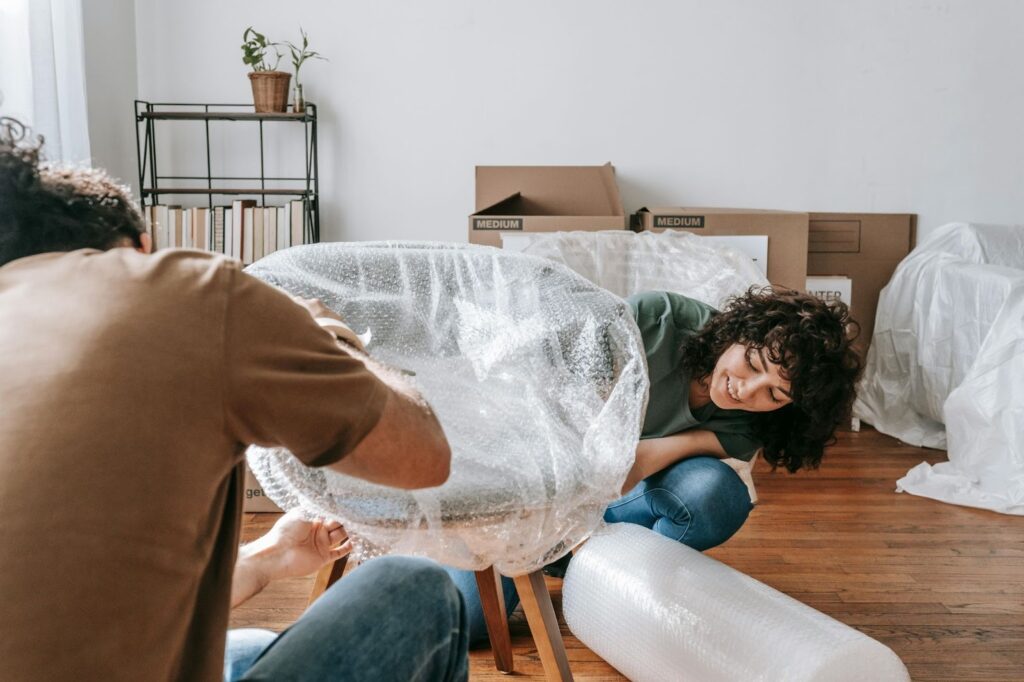
Using the right packing materials is essential in any weather condition. Proper wrapping, sealing, and cushioning help protect belongings from environmental exposure during transport.
This is especially important for fragile or valuable items, where even small changes in temperature or moisture can cause damage.
Planning Ahead Based on Weather Forecasts
One of the best ways to prepare for weather-related challenges is to monitor forecasts in the days leading up to your move.
Checking the weather allows you to adjust your plans if necessary. This may include preparing additional protective materials, adjusting your schedule, or coordinating with movers to ensure everything is ready.
If your move cannot be rescheduled, planning for the expected conditions becomes even more important.
Understanding how to prepare ahead of time can prevent delays and ensure your move stays organized even if conditions are not ideal.
Flexibility and Backup Plans
Weather can be unpredictable, so having a backup plan is always a good idea.
This may include:
- Allowing extra time for the move
- Preparing alternative routes if needed
- Having additional supplies ready
- Being flexible with timing
Flexibility reduces stress and allows you to adapt quickly if conditions change.
Professional moving services are experienced in handling different weather situations and can adjust their approach to keep the move running smoothly.
When Storage Can Help During Weather Delays
Sometimes weather conditions can delay access to your new home or make it unsafe to complete the move as planned. Heavy rain, snowstorms, or extreme temperatures can slow down transportation, restrict access to buildings, or even force last-minute changes in schedule.
In these situations, storage services provide a practical and reliable solution. Instead of rushing the move or risking damage to your belongings, items can be placed in secure, climate-controlled storage until conditions improve. This ensures that furniture, electronics, and fragile items are protected from moisture, heat, or freezing temperatures.
Storage can be especially useful during unpredictable weather events, such as storms or sudden temperature drops, where completing the move in one day is not realistic. It also helps when move-in dates shift due to weather-related delays, giving you flexibility without disrupting the entire process.
Planning for this possibility in advance allows you to stay in control, even when conditions are not ideal. Rather than reacting to problems on moving day, you have a backup solution ready that keeps your belongings safe and your move organized.
Protecting Your Home During Weather Conditions
Weather does not only affect your belongings it can also impact your home during the moving process. High foot traffic combined with rain, snow, or mud can quickly lead to dirty floors, scratches, or damage to entryways.
Rainwater and debris can easily be tracked inside as movers carry items in and out, especially during longer moves. Snow and ice can melt indoors, creating slippery surfaces and increasing the risk of accidents. Without preparation, even a well-organized move can result in unnecessary cleanup or repairs afterward.
To prevent this, it is important to prepare key areas of your home in advance. Placing protective mats, towels, or floor coverings near entrances helps reduce the amount of moisture brought inside. Clearing pathways ensures movers can move efficiently without having to navigate obstacles, which also reduces the risk of bumps or damage.
It is also helpful to protect door frames, corners, and high-traffic areas where large furniture is being moved. These spots are more vulnerable during tight turns and heavy lifting.
Taking these small but important steps not only keeps your home clean but also creates a safer environment for everyone involved. A well-prepared space allows movers to work more efficiently while protecting both your property and your belongings throughout the move.
Frequently Asked Questions
Can movers work in bad weather?
Yes. Professional movers are trained to work in various weather conditions and use protective materials to keep belongings safe.
Should I reschedule my move due to weather?
It depends on the severity of the conditions. In extreme cases, rescheduling may be safer, but most moves can proceed with proper preparation.
How do movers protect items from rain?
Movers use protective coverings, plastic wrap, and careful handling techniques to keep items dry during transport.
Is it harder to move in winter?
Winter moves can be more challenging due to snow and ice, but proper preparation and experienced movers help manage these conditions.
What is the best weather for moving?
Mild, dry weather is ideal, but moves can be completed successfully in most conditions with the right planning.
Be Ready for Any Weather
Weather can influence every part of your move, but with the right preparation, it does not have to cause problems. Understanding how different conditions affect the process allows you to plan ahead and protect your belongings.
At Smoother Movers, we help customers prepare for all situations, ensuring their move stays efficient, safe, and stress-free regardless of the weather.
If you are planning a move and want expert support, you can contact our team to discuss your moving plans and make sure everything is ready for any conditions.