


You have done the mental math a hundred times on a grey February morning, scraping ice off the windshield while picturing a winter run along the Stanley Park sea wall in nothing heavier than a light jacket. Trading Toronto slush for the Pacific is one of the most common cross-country dreams in Canada. The question that follows is always the same: what does a move this big actually cost, and where do the surprises hide?
The honest answer is that a Toronto to Vancouver relocation is one of the longest domestic moves in the country, covering roughly 4,400 kilometres by road. That distance changes everything about how you are priced, how you pack, and how you plan. This guide walks through real 2026 numbers, the line items that inflate quotes, and the choices that keep your budget intact.
How long-distance pricing actually works
Local moves inside the city are billed by the hour. A cross-country move is a completely different model. Instead of paying for a crew's time, you are paying primarily for the weight of your shipment, the distance travelled, fuel, and any extra services such as packing, storage, or tricky building access. Two households moving the same route can pay very different totals simply because one owns more furniture or lives in a walk-up with no elevator.
A useful planning yardstick for cross-Canada line haul is somewhere in the range of $0.90 to $1.40 per pound before access fees are added. A one-bedroom load often weighs 2,000 to 3,000 pounds, while a two-bedroom apartment can run 5,000 to 7,000 pounds. Multiply that out and you start to see why the spread between a studio and a family home is so wide. If you want to sanity-check a quote before you commit, our moving cost calculator gives you a quick ballpark in under a minute.
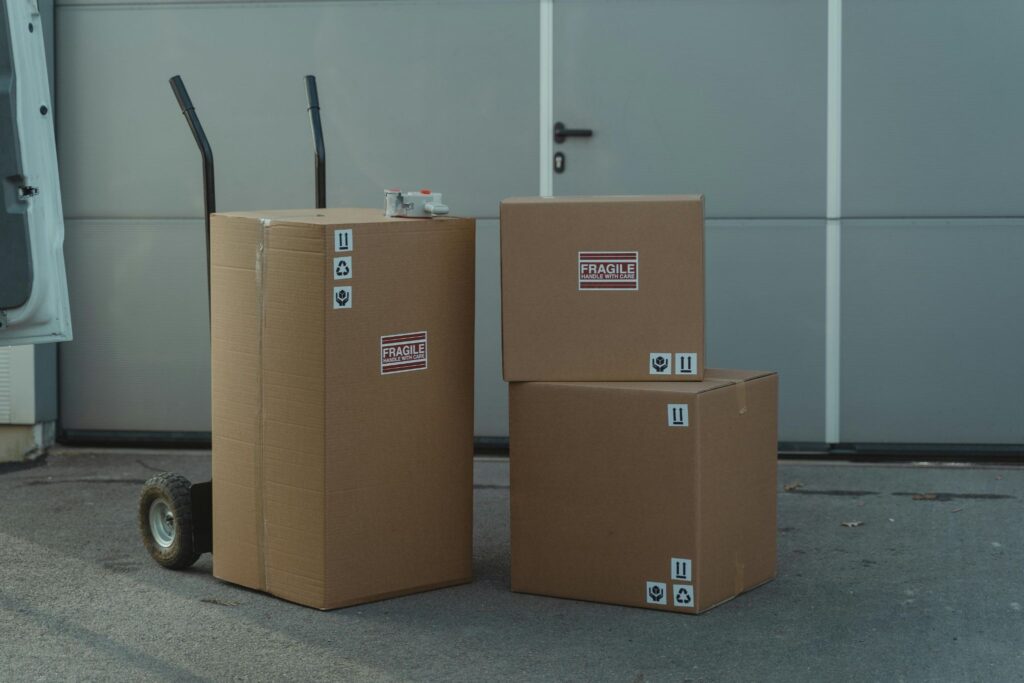
What a Toronto to Vancouver move costs in 2026
Here are the figures you should plan around for a full-service interprovincial move on this route. Treat them as starting points, not promises, because your final price depends on weight and access.
- Studio or one-bedroom: roughly $2,400 to $4,200
- Two-bedroom home: roughly $3,600 to $6,900
- Three-bedroom home: roughly $5,500 to $8,500
- Four-bedroom and larger: often $8,000 and up, sometimes past $10,000 with full packing
Container and freight-style services (where you load a portable unit and a carrier ships it) typically run 20 to 40 percent cheaper than a full-service van line, but you do the labour yourself. A do-it-yourself truck rental is the lowest sticker price of all, though once you add fuel for 4,400 kilometres, hotels, food, and the very real risk of damage along the Trans-Canada, the gap narrows fast.
Where the surprises hide
The base quote is rarely the whole story. These are the charges that catch Toronto households off guard.
Elevator and access fees. If you are leaving a downtown Toronto condo, you almost certainly need to book the service elevator in advance, and many buildings charge a deposit. The same applies on the Vancouver end, where strata buildings are strict. Reading up on the strata elevator booking and deposit rules before moving day will save you from a wasted truck slot.
Long carries and stairs. Narrow Vancouver streets, no loading bay, or a fourth-floor walk-up all add labour hours or flat surcharges.
Packing. A full pack on a three-bedroom home can add a four-figure sum. If you pack yourself, do it properly. Our packing service overview explains what professional crews wrap and how, which is worth reading even if you plan to box things yourself.
Specialty items. Pianos, hot tubs, safes, and oversized art are priced separately. A piano alone can add several hundred dollars, and you want it handled by people who do it daily rather than generalists, as our piano moving cost guide explains.
Storage gaps. Possession dates almost never line up perfectly across a 4,400 kilometre move. If your Vancouver place is not ready when the truck arrives, you need short-term climate-controlled storage, and Vancouver's damp air makes that a smart default rather than a luxury.
Timing the move to save money
Summer is peak season, and prices climb with demand from May through September. If your dates are flexible, booking mid-week and mid-month between October and April can shave a meaningful percentage off your total. The trade-off is weather. The Trans-Canada through the Rockies is spectacular in clear conditions but can face delays at mountain passes in deep winter. If you are moving in the cold months, the advice in our winter moving guide will help you plan around closures and protect your belongings from moisture and cold.
Aim to book a cross-country move three to six months in advance. Good crews on this route fill up early, especially around the end-of-month rush when most leases turn over.
Protect yourself from two common risks
A move this expensive attracts two kinds of trouble: under-insured loads and dishonest operators.
On insurance, the basic liability included in most quotes is calculated by weight, not value, which means a damaged television could be reimbursed at a few dollars rather than its replacement cost. Before you sign anything, understand the difference between basic coverage and full-value protection. Our breakdown of what moving insurance covers in British Columbia is essential reading for a long-haul move.
On operators, cross-country routes are a magnet for scams because the customer cannot easily walk into a local office. Watch for quotes that seem too good to be true, demands for large cash deposits, and refusal to do a proper inventory. Learning to spot the warning signs of a moving scam is the cheapest insurance you will ever buy.
A realistic week-by-week mindset
The single biggest cost-saver on this route is simply owning less. Vancouver puts a premium on space, and shipping a heavy bedroom set across the country can cost more than buying something new on arrival. Sell, donate, or recycle before you weigh in. If you are bringing animals along for the ride, the logistics deserve their own plan, which is why our guide to moving with pets across Canada is worth a look before you book flights and crates.
For a structured countdown that keeps the whole project from snowballing, the eight-week Vancouver moving checklist breaks the work into manageable weekly tasks so nothing important gets left until the night before.
What changes once you arrive
The truck pulling up in Vancouver is the start of a new set of costs and habits, not the end of the move. Local rates on the coast work differently from the cross-country quote you just paid: short moves around the city are billed by the hour rather than by weight, so if you end up shifting between neighbourhoods later, the math resets. Our residential moving service covers how an experienced crew protects floors, tight doorways, and furniture during the unload, which is the moment most damage happens on a long-haul move.
It is also worth budgeting for the small administrative costs of the switch, from new utility deposits to registering a vehicle and updating your address. None of these are large on their own, but together they round out the true cost of trading slush for the sea wall, so it pays to leave a cushion in your moving budget rather than spending it all on the truck.

Frequently asked questions
How long does a Toronto to Vancouver move take to arrive?
Transit time for a full-service van line is typically one to two weeks, because your shipment may share truck space with other deliveries along the route. A dedicated truck is faster but more expensive. Ask your mover for a delivery window in writing.
Is it cheaper to drive a rental truck myself?
The rental sticker price is the lowest, but once you add fuel for 4,400 kilometres, several nights of hotels, meals, and the risk of damaging your own belongings over mountain passes, the real cost often approaches a container service with none of the protection. For most households, a professional option is better value than it first appears.
What is the cheapest time of year to make this move?
The window from October through April, booked mid-week and mid-month, is the least expensive. Summer weekends are the priciest. Weigh those savings against winter weather risk through the Rockies.
Will my health coverage transfer right away?
Your Ontario coverage generally continues for roughly 90 days while you transition to British Columbia's provincial plan, so register for BC coverage soon after you arrive. Keep your old card until the new one is active.
How far in advance should I book?
Three to six months ahead is ideal for a cross-country move. The best crews on the Toronto to Vancouver route book up early, particularly during the summer peak and the end-of-month leasing rush.
Ready to trade slush for the sea wall?
You do not have to guess at the numbers. The fastest way to turn a daydream into a budget is to get a real quote based on your actual inventory and access. Smoother Movers has handled long-distance relocations for over 40 years, and our long-distance moving team will give you an honest, itemized estimate with no surprise fees.
Get your free, no-obligation estimate online today, or call 604-987-8655 to talk through your move with someone who knows the route. The sea wall is waiting.
Disclaimer
The costs and transit times in this guide are 2026 planning estimates for a Toronto to Vancouver move and do not constitute a binding quote. Your final price depends on the weight of your shipment, building access at both ends, the season, mountain conditions along the route, and the specific services you choose, and rates can change as fuel and market conditions shift. Provincial health coverage rules and timelines can also change, so confirm current requirements with the relevant authorities before you rely on them. For an accurate figure, request a free, no-obligation estimate from Smoother Movers based on your own inventory and access.