

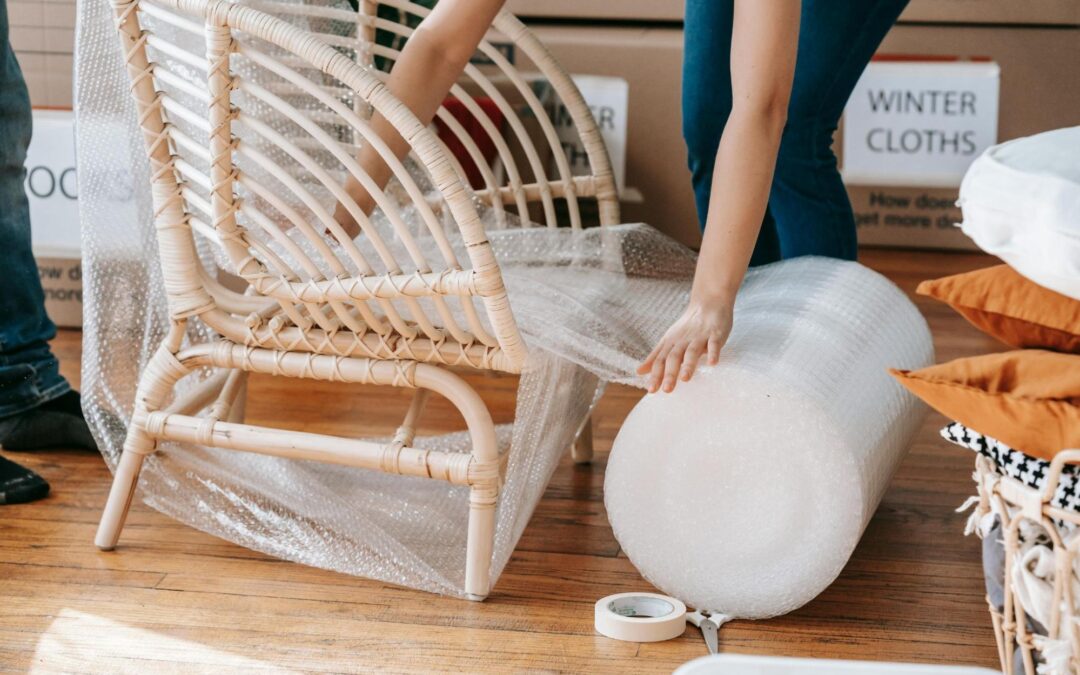
Preparing large furniture properly before moving day is one of the most important steps in ensuring a smooth and damage-free relocation. Items like sofas, beds, wardrobes, dining tables, and cabinets are not only heavy but often difficult to maneuver through doorways, hallways, and staircases.
Without proper preparation, large furniture can easily get scratched, dented, or damaged during the move. It can also slow down the process and create unnecessary stress. When you understand how the moving day process works, it becomes clear why preparation plays such a critical role in keeping everything efficient and organized.
At Smoother Movers, we handle large furniture every day, and we know that careful preparation makes a noticeable difference in both speed and safety.
Start Preparing Furniture Early
One of the most common mistakes people make is leaving furniture preparation until the last minute. Large items take time to organize, clean, and disassemble properly, so starting a few days in advance can prevent unnecessary pressure.
This is also a good opportunity to review what you actually need to move. Many homeowners find that going through a quick decluttering process before packing large items helps reduce effort and costs. If you are unsure where to start, learning how to declutter before a move and save on costs can help you avoid moving furniture you no longer use.
Planning early allows you to gather the right tools, materials, and support before moving day begins.
Clean Furniture Before Moving
Before wrapping or disassembling anything, it is important to clean your furniture thoroughly. Dust, dirt, and small debris can cause scratches when surfaces are wrapped tightly or stacked during transportation.
Wiping down wooden surfaces, vacuuming upholstered items, and cleaning corners or hidden areas helps protect your furniture during the move. It also ensures that you are bringing clean items into your new home instead of transferring dirt from one place to another.
This simple step is often overlooked but can make a significant difference in preserving the condition of your furniture.
Disassemble Large Pieces
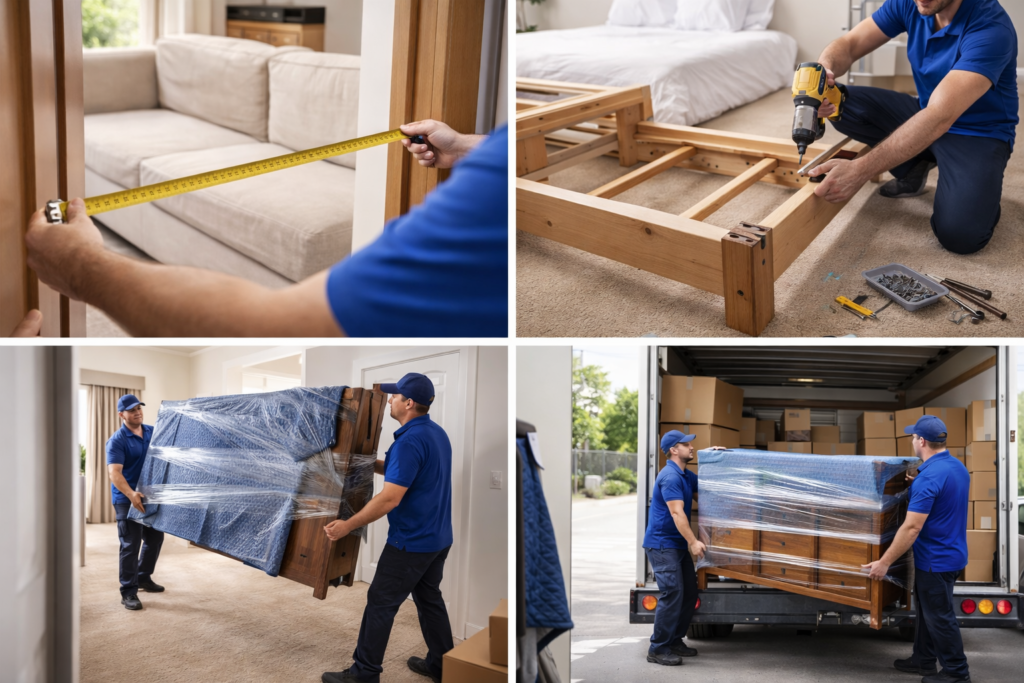
Large furniture is often much easier to move when it is taken apart into smaller components. Beds, tables, desks, and shelving units can usually be disassembled to reduce size and weight.
Disassembly makes it easier to move items through tight spaces and reduces the risk of damage during lifting and loading.
To stay organized during this process:
- Keep screws and small parts in labeled bags
- Attach these bags to the furniture pieces
- Take photos before disassembly for easy reassembly
Proper preparation at this stage makes both loading and reassembly much smoother later.
Protect Furniture Surfaces
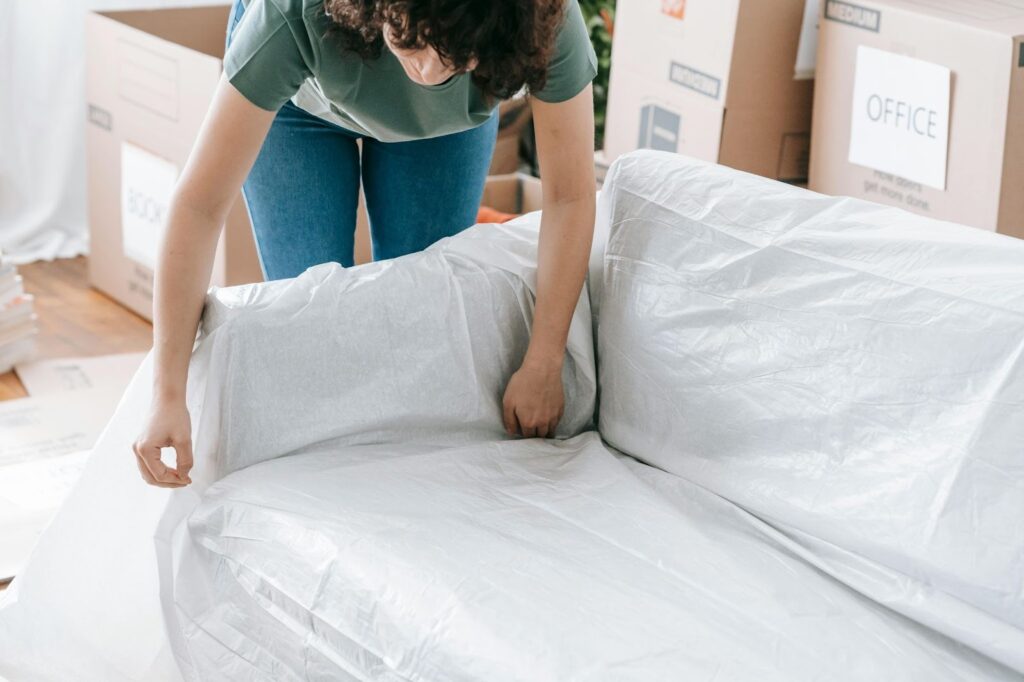
Once furniture is clean and disassembled, protecting it properly is essential. Large surfaces are especially vulnerable to scratches, dents, and pressure during the move.
Using moving blankets, stretch wrap, and padding helps create a protective layer around each item. Corners should be covered, and delicate finishes should be wrapped carefully to avoid damage.
For homeowners who want additional support, packing services can help ensure furniture is protected using professional-grade materials and techniques.
Taking the time to wrap furniture properly can prevent costly repairs after the move.
Measure Doorways and Access Points
Before moving large furniture, it is important to measure both the furniture and the spaces it needs to pass through. Doorways, hallways, staircases, and elevators can all create challenges if not planned for in advance.
Measuring helps you determine whether furniture needs to be disassembled further or repositioned to fit through certain areas.
Professional movers typically assess these access points as part of the planning process, ensuring that everything can be moved safely without forcing items through tight spaces.
Secure Drawers and Moving Parts
Furniture with drawers, doors, or loose components needs to be secured before moving.
If left unsecured, drawers can slide open, and doors can swing during transport, causing damage to both the furniture and surrounding items.
You can prevent this by:
- Removing drawers if they are heavy
- Securing doors with wrap or tape
- Adding padding to keep items stable
Keeping everything secure ensures smoother handling throughout the move.
Plan Furniture Placement in Advance
Planning where furniture will go in your new home can save a significant amount of time and effort on moving day.
Instead of leaving everything near the entrance, movers can place items directly into the correct rooms. This makes unpacking much easier and eliminates the need to move heavy furniture again later.
If you are unsure what to expect during this stage, understanding what happens on moving day step by step can help you prepare for how furniture will be unloaded and arranged.
A simple layout plan or labeled furniture can make a big difference in how organized your move feels.
Work With Professional Movers
Handling large furniture without experience can be difficult and even risky. Professional movers have the equipment, training, and experience needed to move heavy items safely.
Our moving services are designed to handle everything from small apartments to full household moves, ensuring that large furniture is transported efficiently and without damage.
Working with professionals reduces the risk of injury, protects your belongings, and helps keep the move on schedule.
Consider Storage if Needed
In some situations, you may not be able to move all your furniture directly into your new home. This can happen during renovations, downsizing, or delays between move-out and move-in dates.
In these cases, storage services provide a secure solution for keeping furniture safe until it is needed. Properly wrapped and stored furniture remains protected and ready for delivery when the time comes.
Planning for storage in advance helps avoid last-minute complications.
Protect Floors, Walls, and Entry Points
When preparing large furniture for moving day, it is not only the furniture that needs protection. Your home itself is also at risk of damage, especially in high-traffic areas where heavy items are being carried.
Door frames, walls, stair railings, and flooring can easily get scratched or dented when moving bulky furniture through tight spaces. Preparing these areas in advance can prevent unnecessary repairs and stress after the move.
Simple steps such as clearing pathways, removing obstacles, and protecting corners can make a noticeable difference. If possible, create a clear route from each room to the exit so movers can move efficiently without needing to adjust direction frequently.
Professional movers are trained to handle these situations carefully, but preparing your home ahead of time helps ensure everything moves smoothly and safely from start to finish.
Prepare an Essentials Plan for Large Items
While most people focus on packing boxes, it is also important to think about how large furniture will be used immediately after the move.
Certain items such as beds, sofas, and dining tables are essential for daily comfort. Planning ahead ensures these pieces are accessible and ready to use as soon as you arrive at your new home.
For example, keeping bed frames, mattresses, and basic furniture components easy to locate can help you set up sleeping areas quickly on the first night. This is especially important for families or anyone moving after a long day.
Having a simple plan for essential furniture also helps movers prioritize which items should be unloaded first. When combined with a clear understanding of the moving day process, this level of preparation can make the transition into your new home much more comfortable and organized.
FAQs
Should I disassemble all large furniture before moving?
Not all furniture needs to be disassembled, but larger items like beds and tables are usually easier and safer to move when taken apart.
How do I protect furniture from scratches?
Using moving blankets, padding, and protective wrap helps prevent scratches and dents during transportation.
Do movers help with furniture disassembly?
Yes. Many professional movers can assist with disassembly and reassembly depending on the service.
How do I move heavy furniture safely?
Proper lifting techniques, planning, and using professional movers can significantly reduce the risk of injury or damage.
Can I store furniture during a move?
Yes. Storage services can safely hold furniture if there is a gap between moving out and moving in.
Make Your Move Easier
Preparing large furniture properly before moving day can save time, reduce stress, and prevent damage. With the right approach, the entire moving process becomes much more efficient and manageable.
At Smoother Movers, we help customers handle every stage of relocation, from preparation and packing to transportation and delivery.
If you are planning a move, you can contact our team to discuss your needs and get started with a smoother, safer relocation.