


A heavy piece of instrument aside, a piano is a precision machine with hundreds of internal moving parts, a finish that scratches easily (and can cost a fortune to touch up), and – for most owners – real sentimental weight attached to it. Moving one wrong can mean thousands of dollars in repairs, or damage that's simply not reversible.
Here's what actually goes into moving a piano safely, according to Smoother Movers’ experience moving hundreds of pianos around Vancouver and beyond – and what to know whether you hire specialists or attempt it yourself.
Know What You're Working With
Grand pianos and upright pianos require different handling. Grand pianos are larger, heavier, and more delicate around the legs, lid, and pedal lyre – these components often need to be removed or specially braced before the move. Uprights are more compact and generally easier to manoeuvre, but they're still extremely heavy, typically 300 to 500 pounds, and awkward to balance.
Before moving day, measure your doorways, hallways, and any staircases the piano will need to pass through. Compare these measurements against the piano's dimensions. Spotting a tight squeeze in advance – rather than discovering it mid-move – is the difference between a planned solution and an emergency.
Should You Hire Professionals or Do It Yourself?
Professional piano movers bring specialized equipment (piano dollies, skid boards, ramps) and experience moving an unevenly weighted object through tight spaces. This significantly reduces the risk of injury to the people moving it and damage to the instrument itself.
A DIY piano move is possible for a small, simple move with the right equipment and several capable helpers, but it carries real risk. Pianos are deceptively heavy and their weight is not evenly distributed, which makes them prone to tipping or slipping if even one part of the lift isn't coordinated properly. If you go this route, do not skip padding, do not rush corners, and make sure everyone involved understands their role before lifting begins.
For grand pianos, multi-story moves, or anything with significant sentimental or monetary value, hiring a specialist is the lower-risk choice for most people.
What You'll Need
If you're moving the piano yourself, gather the following before you start:
- A piano dolly or hand truck rated for the weight
- Thick moving blankets or quilted pads
- Bubble wrap and packing paper
- Heavy-duty straps or moving rope
- Painter's tape (never standard tape directly on the finish)
- A ramp, if navigating stairs
Check everything works before moving day. A dolly with a faulty wheel or straps that don't hold tension is how accidents happen.
Preparing the Piano
- Remove what can be removed: Music racks, pedals, and fall boards (if your piano has a removable one) should come off and be wrapped separately to avoid loss or scratching.
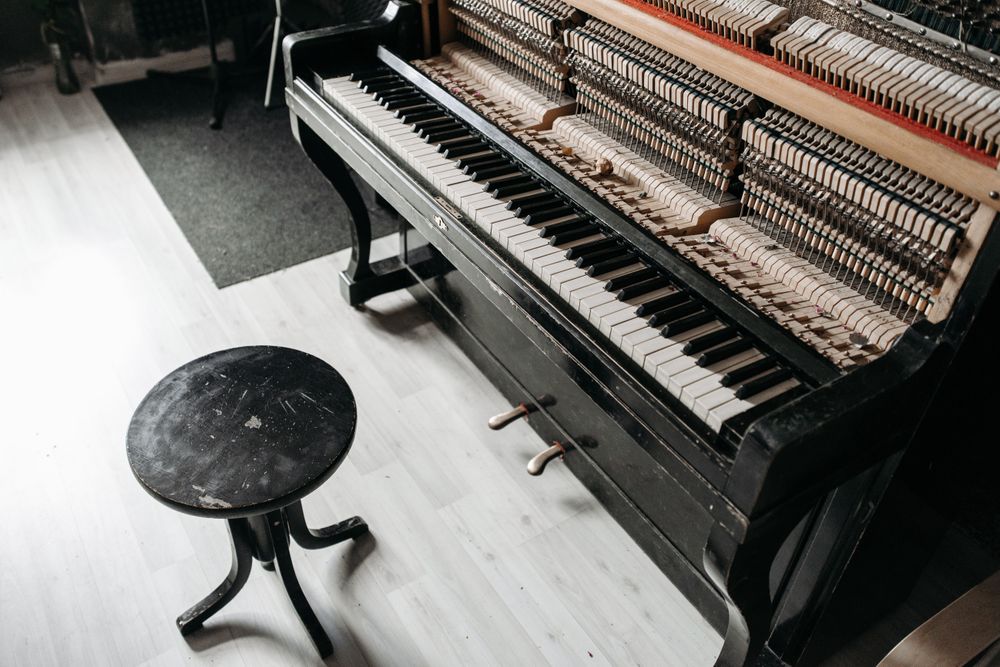
- Protect the internal components: For upright pianos especially, padding around the keys and action mechanism prevents damage from shifting during transit.
- Wrap the exterior thoroughly: Use thick moving blankets over the entire instrument, secured with tape or stretch wrap – never sticky tape directly against the finish, which can pull off varnish or veneer when removed. Pad delicate edges and any protruding hardware with bubble wrap.
- Secure the lid and keyboard cover: Tape the lid shut with painter's tape or a moving strap so it can't swing open mid-move. For uprights, brace the keyboard cover so it doesn't bounce open and expose the keys.
Moving It Safely
Lift with your legs, not your back, and make sure everyone helping understands this before you start. Coordinate movements verbally – one person should call the lift, the turns, and any stops.
Use a dolly for any significant distance. Once the piano is on the dolly, keep it balanced and move slowly, especially around corners. Assign one person to guide and watch for obstacles while others control the movement.
For doorways and tight corners, measure twice before attempting the move. Removing doors from their hinges is often easier than trying to squeeze through at an angle. On stairs, a ramp is far safer than trying to walk the piano down step by step – if a ramp isn't available, extra hands distributing the weight evenly is essential.
Inside the truck, secure the piano with straps anchored to tie-down points, and pad it on all sides to absorb shock from braking and turns. A piano that can shift even slightly during transport risks both cosmetic and internal damage.
Transporting the Piano
An enclosed truck is strongly preferable to an open trailer or van, since it protects the instrument from weather and road debris. If an enclosed vehicle isn't an option, extra padding is essential.
Drive cautiously. Avoid sudden braking or sharp turns, and keep speed steady. Temperature and humidity swings during transit can affect wood and tuning, so if you're moving any significant distance or through extreme weather, climate-controlled transport is worth the extra cost.
Unloading and Setup
Unload gradually with a full team, using a ramp where possible to avoid jolts. Once the piano is inside, check it over immediately for any visible damage and document anything you find right away.
Position the piano away from direct sunlight and away from heating or cooling vents – both accelerate wear on the wood and finish over time. Use shims to level the instrument if the new floor isn't perfectly even, and keep it stabilized with furniture pads underneath if your flooring is hardwood.
Reinstall any parts that were removed for the move, then schedule a professional tuning. Moving – even a careful one – can shift a piano's internal tension slightly, affecting pitch. Tuning within the first few weeks restores it to proper sound.
Why Professional Movers Make a Measurable Difference
A piano's weight is concentrated and unevenly distributed, which means even small errors in lifting technique or equipment can result in dropped instruments, internal misalignment, or damage to floors and walls along the route.
Professional piano movers carry the right equipment as standard, have moved enough instruments to know the common failure points, and typically carry insurance specific to high-value items. At Smoother Movers, for instance, we have custom-built moving tools to facilitate
For a piece of furniture this expensive to repair, the cost difference between a DIY move and a professional one is often smaller than people expect.
Quick Reference Checklist
| Stage | Key Tasks |
| Before the move | Measure doorways and stairs, decide DIY vs. professional, gather equipment |
| Preparing the piano | Remove loose parts, pad internal components, wrap exterior, secure lid |
| During the move | Lift with legs, use a dolly, coordinate verbally, go slow on corners and stairs |
| In transit | Strap to tie-down points, pad on all sides, drive cautiously |
| After arrival | Inspect for damage, position away from sunlight and vents, level if needed |
| Final step | Schedule a professional tuning within a few weeks |
Frequently Asked Questions
How much does it cost to move a piano?
Costs vary based on the size of the piano, the distance, and whether stairs or tight access are involved. Grand pianos generally cost more to move than uprights due to their size and the additional disassembly required. Get a specific quote based on your instrument and the details of your move.
Can I move an upright piano by myself?
It's possible with the right equipment and enough capable helpers, but uprights are still 300 to 500 pounds and awkward to balance. Even a short DIY move carries real risk of injury or damage if any part of the process isn't carefully coordinated.
Do pianos need to be tuned after every move?
Yes, generally. Even a careful, well-executed move can shift a piano's internal tension slightly. Scheduling a professional tuning within a few weeks of arrival is standard practice.
What's the biggest risk during a piano move?
Improper lifting and inadequate padding are the two most common causes of damage. The weight distribution of a piano means a small misstep – a dropped corner, an unbraced lid, an unpadded edge against a doorframe – can cause expensive damage.
Does Smoother Movers handle piano moves?
Yes. We've been moving pianos for over 40 years and have the specialized equipment and trained crews to handle grands, uprights, and everything in between. Get a free estimate or call us to discuss your piano move specifically.
Have a piano move coming up?
Request a free estimate or call 604-682-2232 (Vancouver) or 604-987-8655 (North Vancouver). We've been trusted with pianos for over 40 years.