

You're an hour into your move when your movers tell you the couch won't fit up the staircase. Or you realize the piano you're moving not only needs a specialized moving service, but also requires four people instead of two. All these seemingly “minor” detours can cost you precious time and money (at times, hundreds to thousands of dollars).
If only there’s a guide to forewarn you of the most common and costly moving mistakes…
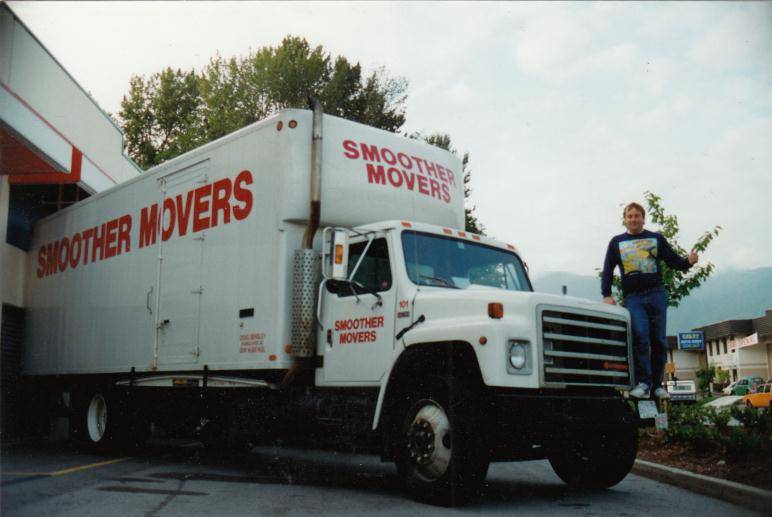
Well, that’s what this guide from our moving experts at Smoother Movers is for. With over 40 years of experience moving families and businesses across the Lower Mainland, we’ve seen every expensive mistake in the book. The good news is that most are preventable.
The Real Cost of Not Measuring
Here's something that happens surprisingly often: furniture arrives at the new place, and it won't fit through the door. Suddenly, you're paying for extra labor time, or worse, you're hiring a second company to disassemble and reassemble items that should have been handled during the original move.
A queen bed frame, a sectional sofa, or a dining room table can seem like it'll fit – just up until it doesn't. The cost of fixing this can be 2-4 hours of extra labor at professional rates, so anywhere between $300 to $800, depending on crew size.
Before moving day, grab a tape measure and check these access points:
- Doorway widths at both locations
- Stairwell dimensions and any tight turns
- Hallway clearances in apartments or condos
- Service elevator dimensions if you're in a high-rise
If you're moving into an older North Vancouver building, this matters even more. Many heritage homes and older apartments have narrow doorways and tight staircases. Your movers should know this going in.
Underestimating the Time (And Labor Costs)
People often assume a move will take 3 hours when it really takes 5. Why? Lots of things that should’ve been accounted for in the first place: traffic getting to your location, parking (which might need a few minutes of circling), and elevators in busy buildings.
When you low-ball your estimated time, your hourly movers end up working longer than expected – and you’re the one paying for every extra hour. This is especially true during peak moving season (spring and early summer) when traffic congestion is heavier.
A good rule: add 30-45 minutes to whatever time estimate you think is realistic. If you're moving between apartments with elevator logistics involved, add even more.
Not Booking What You Actually Need
This is a big one. People book two movers for a three-bedroom house move, or they skip professional packing services when they should have used them.
When you hire too few people, the move stretches out. A job that should take 4 hours with three movers takes 6 hours with two. You might think you're saving money, but you're actually spending more.
The same goes for skipping the packing. If you do it yourself the week before the move, items are packed inefficiently. Boxes aren't labeled. The movers spend extra time figuring out what goes where. Professional packing is faster, more organized, and actually often costs less than DIY approaches when you factor in wasted time on moving day.
Forgetting About Building Regulations (Especially in Condos)
North Vancouver apartments and condos have strict rules about move-in and move-out times. Service elevator booking windows, parking restrictions, damage deposits, and protection requirements are real. Miss these, and your building will charge you – sometimes hundreds of dollars.
We worked with a client in a Downtown North Vancouver condo who didn't book the service elevator, and they had to reschedule the entire move. That cost them time off work, a second deposit, and the stress of an unexpected delay.
Before your move, contact your building management and get answers to these questions:
- What times can moves happen?
- Do you need to book the service elevator in advance?
- What's the parking situation for the moving truck?
- Is there a damage deposit requirement?
- What protection is required for common areas?
If you're using a professional mover, they'll usually handle these communications, but you need to give them the information early.
Overstuffing Boxes and Overloading Trucks
Movers have a reason for those box weight guidelines. When a box is too heavy, it's slower to move. Your movers have to be more careful. Handling slows down. What should be a quick load becomes a careful, methodical process (that’s added to the bill).
The same logic applies to truck space. If you overload the truck, you either need multiple trips or a larger truck. Both cost more.
Pack boxes so they're moveable by one person without straining. Keep the heaviest items (books, dishes, tools) in smaller boxes. Fill larger boxes with lighter items (linens, towels, clothing). This seems simple, but it directly affects how quickly your move proceeds.
Forgetting Logistics on Moving Day
Your movers arrive, and suddenly you realize:
- You don't have a clear path to the truck
- There are cars parked in the loading zone
- Kids' toys are still scattered across the living room
- You haven't figured out which items are going where
These delays add up quickly. What was supposed to be a tight, efficient move becomes a waiting game.
Before the movers arrive, make sure:
- The loading area is clear of other vehicles
- Large furniture isn't blocked by smaller items
- You know what's going and what's not
- You have a clear understanding of the layout at your new place
Frequently Asked Questions (FAQs)
Q: What should I do if I discover on moving day that something won't fit, but I really want to keep it?
A: Call your movers immediately and discuss options before they spend hours trying to force it. We’ve seen creative solutions – removing door frames temporarily, disassembling items differently, or even using equipment like furniture sliders. Some solutions cost less than you'd expect. The worst approach is letting movers struggle with it for hours while you decide.
Q: If my estimate was wrong and the move takes longer, am I locked into paying the original price?
A: No. Moving estimates are typically for the estimated hours. If your move takes longer, you pay for the actual time worked. This is why being honest about your situation during the estimate is critical.
Q: Can I negotiate the price if I discover hidden costs on moving day?
A: Not really – at least not fairly. Those "hidden" costs are usually legitimate charges for services or complications you didn't anticipate. The time to negotiate is before the move starts, when you're getting your estimate. That's when you ask about every potential extra charge, building fees, and access issues.
Q: Should I tell my movers about every small mistake I made during packing, or will that just add costs?
A: Tell them. Seriously. If boxes are mislabeled, if you packed fragile items poorly, or if something heavy is in a box marked "light," your movers need to know. They might repack for safety, which takes time, but it prevents damage and keeps everyone safe.
Q: What's the biggest mistake people make after getting their estimate?
A: Waiting too long to book their elevator (if in a condo) or assuming they can handle more themselves than they actually can. People get an estimate, feel confident, then realize a week before the move that they're not packed and professional packing is now booked solid or available only at rush rates. Book your elevator and confirm professional services immediately after getting your estimate, not a week before your move.
The Bottom Line
Most expensive moving day mistakes boil down to one thing: not planning ahead. You don't need to become a moving expert, but you do need to measure, communicate clearly with your movers, understand your building's rules, and be realistic about how long your move will actually take.If you're in the Lower Mainland and want to avoid these pitfalls, talk to our team about our professional packing and moving services. We handle the planning so you don't have to worry about expensive surprises on moving day.