


North Vancouver's geography shapes its moving season in ways flatter cities don't deal with. Steep hills, narrow residential streets, and bridge-dependent access to the rest of the Lower Mainland all factor into when a move is easiest, and when it's most expensive. Here's how the seasons actually compare, in Smoother Movers’ decade-long experience helping people and families move in Vancouver.
What Makes North Vancouver Different
The mountains and bridges that make North Vancouver scenic also make moving here logistically distinct. Steep roads and narrow streets can complicate truck access, particularly in older neighbourhoods. Crossing the Lions Gate or Ironworkers Memorial Bridge during peak commuting hours adds real time to any move that crosses into Vancouver proper.

Demand for housing in North Vancouver stays consistently strong, which keeps moving companies busy and means booking ahead matters more here than in slower markets. Real estate activity also fluctuates seasonally, which affects both the volume of moves and, indirectly, mover availability and pricing.
Spring
Mild weather and longer daylight make spring a generally pleasant time to move. Expect a reasonable chance of rain, which can slow loading and unloading and adds a small risk of slippery walkways and driveways. Booking tends to be more available than peak summer, with moderate pricing.
Summer
June through August is peak moving season across the Lower Mainland, North Vancouver included. Demand is highest – families moving around school schedules, the best weather of the year, and the most competition for mover availability all converge here. Expect the highest prices and the least flexibility on dates unless you book well in advance.
The trade-off is genuinely better weather and easier access to the outdoor lifestyle North Vancouver is known for, which matters if you're settling in and want to start exploring the area immediately.
Fall
Fall is often the strongest balance of cost and convenience. The summer rush has passed, rates are typically more negotiable, and the weather is still generally manageable. This is a good season to ask movers about off-peak rates directly, since availability tends to be better than during the summer crunch.
Winter
Winter brings the lowest moving rates of the year, but also the most weather-related risk. North Vancouver's hills can get genuinely difficult in snow or ice, and rain is frequent. If you're moving in winter, build extra time into your schedule and have a frank conversation with your moving company about road conditions and contingency plans.
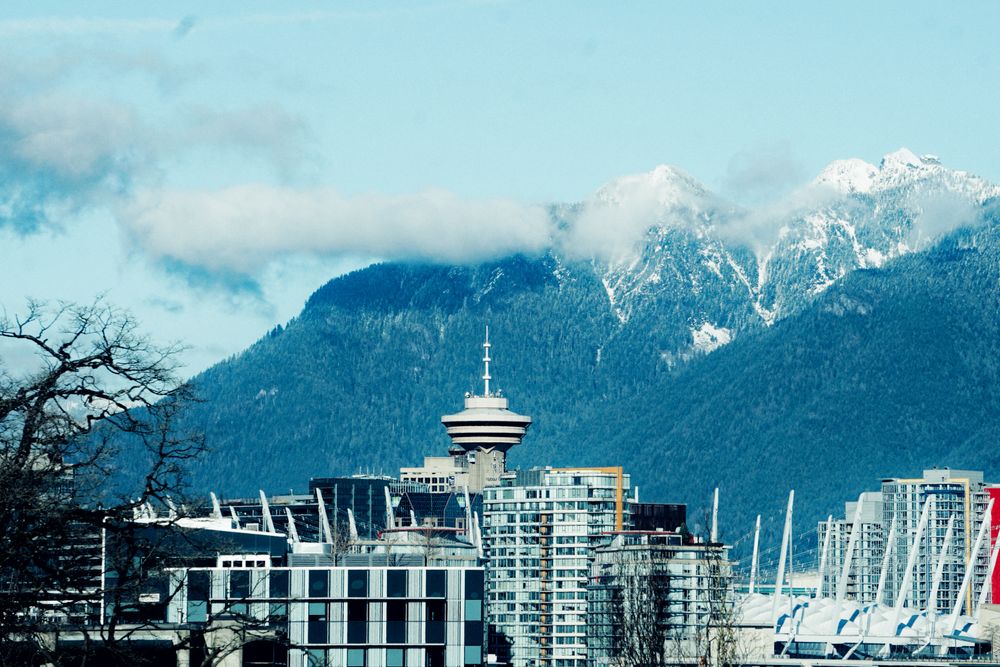
For budget-conscious movers willing to navigate the weather, winter offers the most room to negotiate and the easiest scheduling.
Seasonal Pricing at a Glance
| Season | Relative Cost | Weather Risk | Availability |
| Spring | Moderate | Some rain | Good |
| Summer | Highest | Low | Limited – book early |
| Fall | Lower | Low to moderate | Good |
| Winter | Lowest | Highest (snow, ice) | Best |
How to Reduce Costs Regardless of Season
A few strategies apply no matter when you move:
- Declutter before you pack. Less volume directly reduces labour time and cost.
- Source free boxes from grocery stores, liquor stores, or community groups rather than buying new.
- Get quotes from multiple movers to ensure you're getting a competitive rate.
- Consider a DIY or labour-only approach for smaller moves, if you're comfortable with the physical work.
- Book mid-week and mid-month when possible – demand and pricing both tend to be lower outside weekends and month-end turnover dates.
A Simple Planning Timeline
- Two months before: Book your movers and begin decluttering.
- One month before: Update your address and arrange utility transfers.
- One week before: Finish packing and confirm all moving day details.
- Moving day: Supervise the move and do a final walkthrough of both homes.
North Vancouver-specific factors worth building into this timeline include bridge traffic patterns, any street parking permits your address might require, and strata building rules if you're moving into or out of a condo.
Frequently Asked Questions
What's the cheapest time of year to move in North Vancouver?
Winter generally offers the lowest rates, though weather risk on hills and bridges is highest during this period. Fall is often the best balance of lower cost and manageable conditions.
What's the most expensive time to move?
Summer, particularly June through August, due to high demand from families coordinating moves around the school calendar and generally favourable weather.
Does bridge traffic actually affect moving costs?
It can, particularly for moves that cross between North Vancouver and Vancouver proper during peak commuting hours. Scheduling outside rush hour reduces this risk.
How far in advance should I book a summer move?
Six to eight weeks is a reasonable target for summer moves, given how quickly availability fills during peak season. Off-season moves can often be booked with two to four weeks' notice.
Is a winter move actually feasible in North Vancouver?
Yes, with appropriate planning. Build in extra time, discuss road conditions with your mover ahead of time, and have a flexible contingency in case of snow or ice on moving day.
Ready to plan your North Vancouver move?
Get a free estimate or call 604-987-8655. Smoother Movers has navigated North Shore moves through every season for over 40 years.